
Moralizations in Science Communication
Climate justice, freedom energy, or Frankenfood – moral judgments are omnipresent in debates about socio-scientific issues. Our research project is called "Moralisierungen in der Wissenschaftskommunikation" (Moralizations in Science Communication), short MoWiKo. We study the types and effects of moralizations as well as how ethical aspects can be communicated appropriately.
It is the natural sciences that usually analyze the underlying factors of certain societal problems such as climate change or new pathogens. They also develop ways to address these issues, such as new energy technologies or vaccinations. However, these findings often raise ethical questions that cannot be answered solely based on scientific statements. These include questions about the prioritization of goals, handling risks, or cost-benefit calculations.
Ideally, answers to such questions arise in societal negotiation processes where all parties are capable of discourse and willing to make evidence-based compromises. In reality, however, such discussions at the interface of science and society are often not very oriented towards negotiation and finding a compromise.
We assume that one reason for this is the way moral aspects of socio-scientific issues are introduced into public discourse. In this project, we investigate Moralizations in Science Communication as an interdisciplinary team from philosophy, communication science, and linguistics. It is funded by the Federal Ministry of Research, Technology and Space.
23. - 25.09.2026
The annual conference of the Research Network "Sprache und Wissen" (Language and Knowledge) is being held under the title ‘Reading Between the Lines: The Pragmatics of the Unspoken’. The conference focuses on the implicit – that is, everything that is not said but is nevertheless communicatively effective. The starting point for the conference theme is the observation that moralising is often not formulated explicitly, but is instead expressed implicitly.
Read More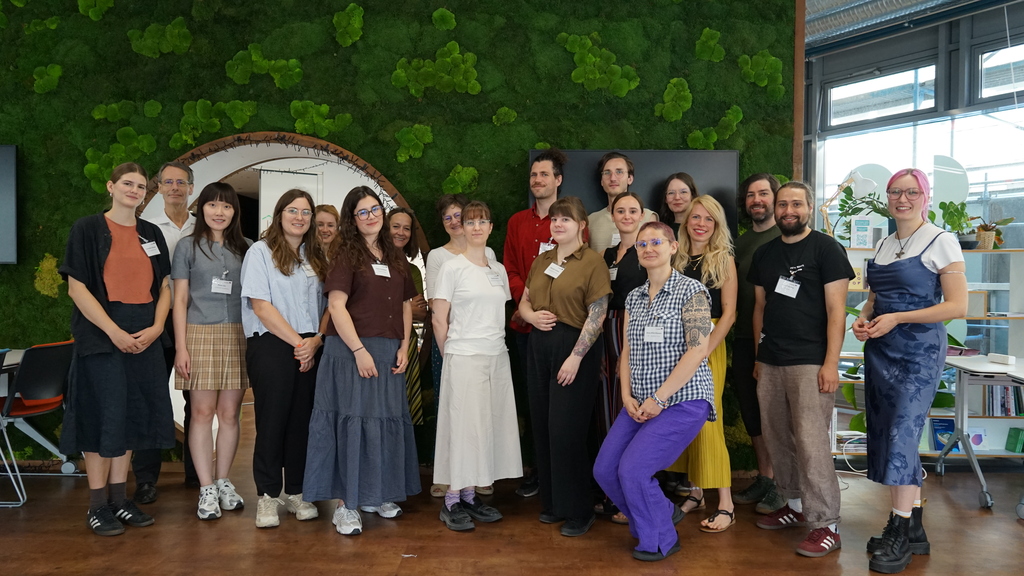
10.07.2026
As part of the MoWiKo project, the workshop “Connecting Knowledge and Values” took place on July 10, 2026. The target was to bring together researchers and practitioners in science communication to further develop the guidelines for addressing moralizing. Through engaging discussions and group work, we were able to gain valuable insights for the project.
Read More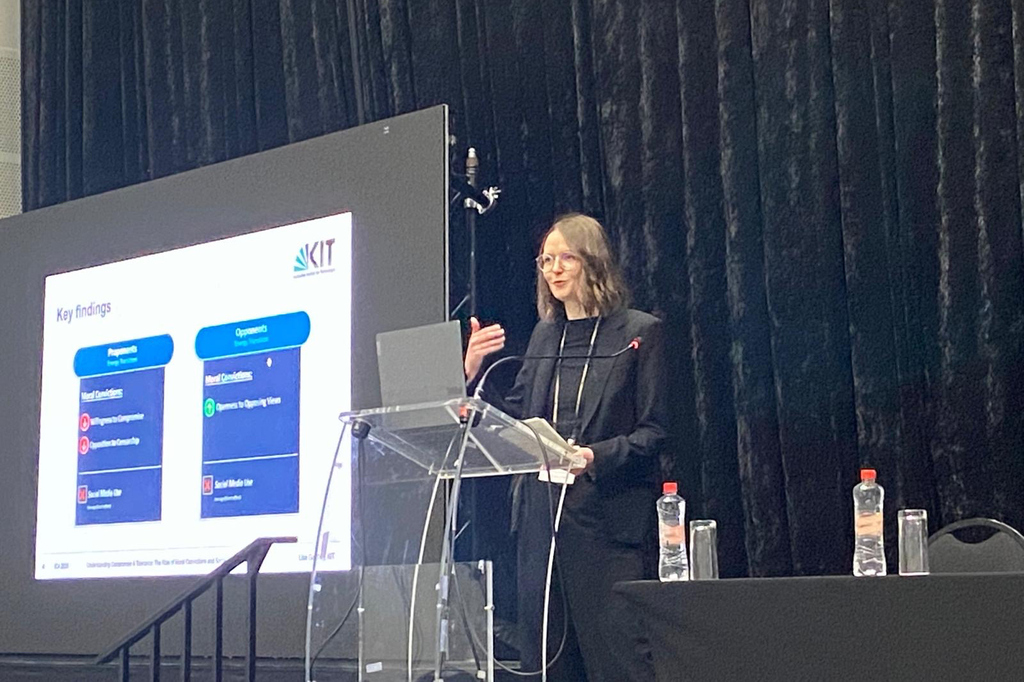
04.06. - 08.06.26
MoWiKo was represented at this year’s International Communication Association (ICA) conference by Lisa Gaffney and Prof. Dr. Senja Post. In Cape Town, Lisa Gaffney presented research findings from a survey conducted as part of the MoWiKo project.
Read More